
State Department clears Egypt to buy NASAMS in $4.7B deal
"The proposed sale will improve Egypt’s capability to meet current and future threats by improving its ability to detect various air threats," according to the notice from DSCA.
"The proposed sale will improve Egypt’s capability to meet current and future threats by improving its ability to detect various air threats," according to the notice from DSCA.

The order includes a directive for State and DoD to compile a list of “priority partners” and “priority end items” for transfer.


Blending superior optics, advanced stabilization and AI-powered autonomy in a compact and rugged system, ASELFLIR 600 delivers unmatched intelligence, surveillance and reconnaissance (ISR) capabilities.

Foreign Military Financing is one of the pots of money caught up in the State Department's current hold on foreign assistance.

The possible sale of the RTX-made AMRAAMs includes up to 1,200 missiles.
"[W]e won't be able to sell the premium technology, which means we'll be out competed by [Finland's] ICEYE and other competitors in the global market," Umbra's Jason Mallare told Breaking Defense.

"The three new rules ... recalibrate our approach to export controls," a senior Commerce Department official said. "These changes will offer relief to US companies and they'll increase innovation without compromising the critical technologies that keep our nation safe."


Cybersecurity skills must evolve in near-real time as Zero Day threats continue and AI provides new challenges.

Romania becomes the second country to receive money under a new authority granted to the State Department.

RTX voluntarily disclosed what the State Department says is roughly 750, largely inadvertent, violations of ITAR export rules.

This US ITAR reform would reduce by "close to, or slightly over 900 export permits required under our export controls from Australia to the US and the UK, with a value of around $5 billion AUD a year," an Australian defense official said.

The sale was approved by the Biden administration against the backdrop of the ongoing conflict in Gaza, and moved only after two key Democrats removed objections.


Consolidate network monitoring, performance management, and fault isolation into a single, comprehensive solution.

Warsaw "has a list of things they want to achieve" with the cash infusion, a State Department official told Breaking Defense ahead of a forthcoming formal announcement.
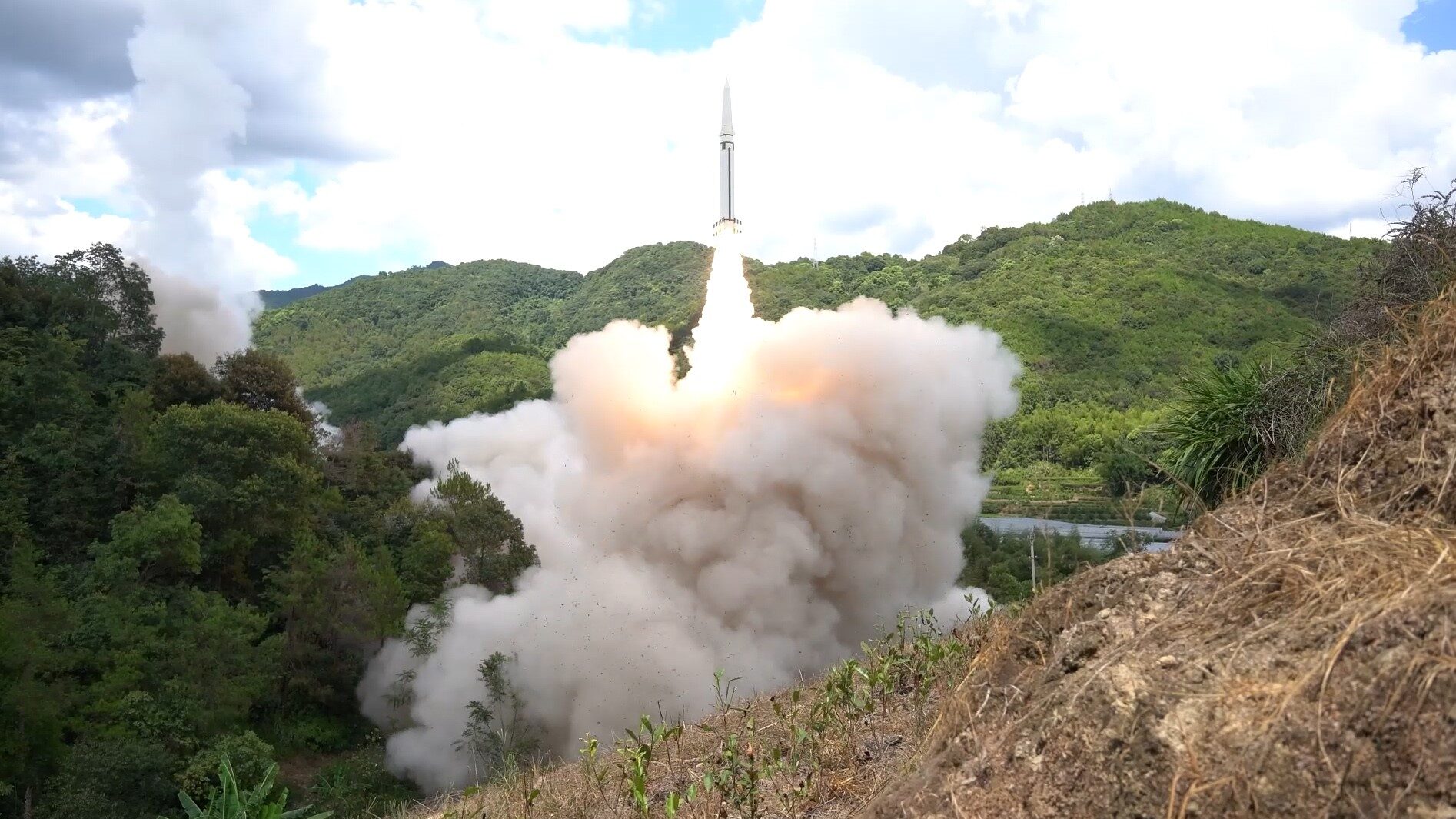
The RAND study warns that due to "inflated threat perceptions" about US intentions, Chinese leaders tend to "interpret U.S.-led efforts to establish crisis communication mechanisms or broader space norms as tools to control China's behavior."
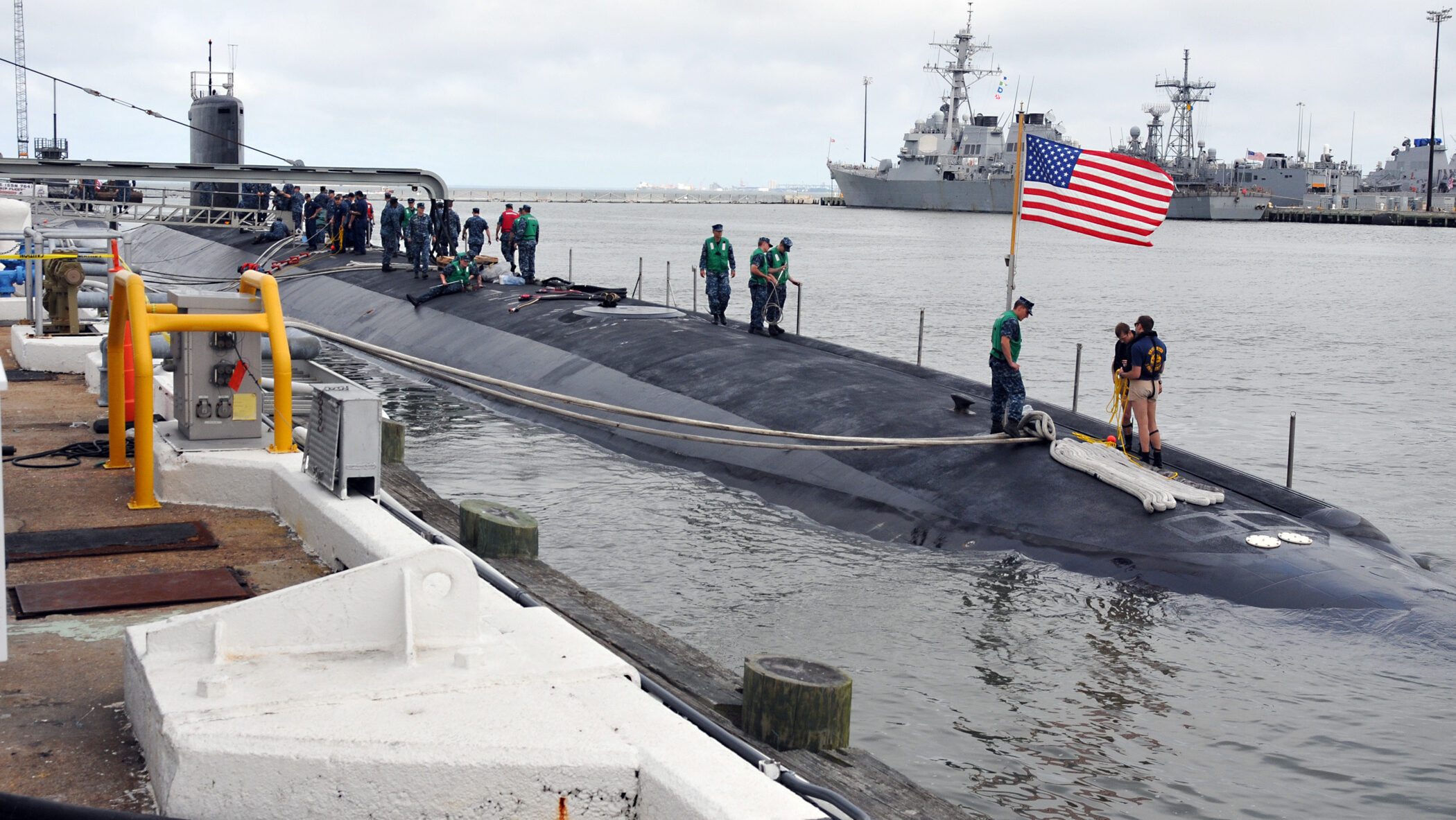
The State Department should consider revising its draft language to reduce the technologies excluded from export control exemptions, which currently include submarines-related technologies and larger drones, the AIA said in recommendations to the department.

Mid-level officials from the NSC and State Department will lead the talks, which follow on Xi-Biden summit last November. No public joint statement is expected, let alone a formal agreement.